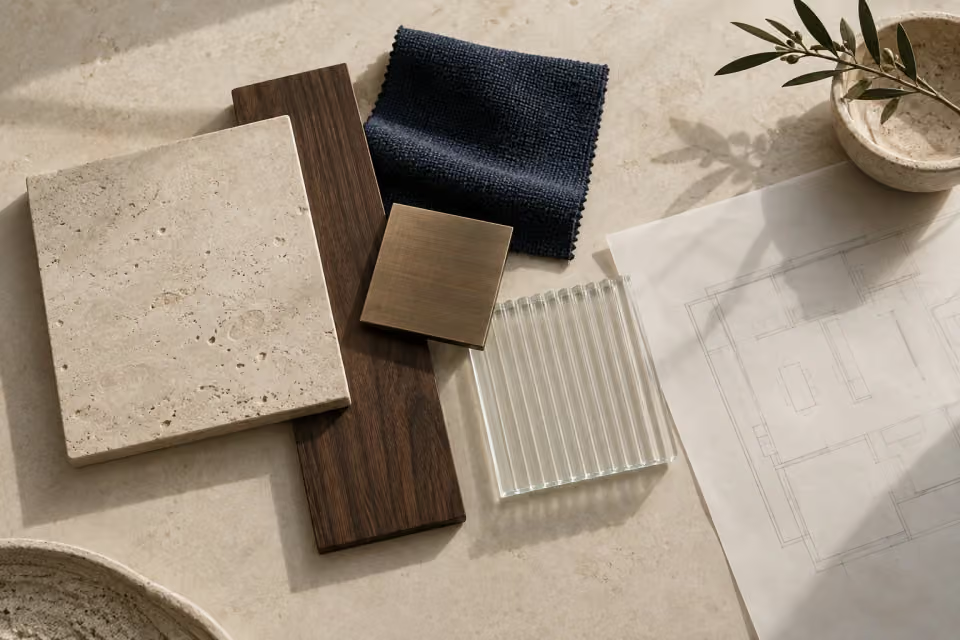
A sample is the beginning
A small material sample can suggest an entire room. Its colour, texture and weight make an idea tangible. Yet a sample on a desk is only the beginning of a decision. The same finish will meet different light, adjacent materials, junctions and daily routines when it becomes part of a space.
Begin by naming its role. Is it a background surface, a point of touch, a working edge or a feature seen from a distance? The answer helps frame the questions worth asking. A reception counter and a wall above it may share a colour while needing different qualities in everyday use.
Look at materials together
Place shortlisted samples beside the finishes they will actually meet. A timber tone that seems warm on its own may read differently beside a cooler stone. A metal detail can feel quiet in one combination and prominent in another. Evaluate the relationships, not simply each item in isolation.
Where possible, review the combination in the intended location and at more than one time of day. Note the lighting used during the review. If the final lighting is not available, record that limitation rather than treating the decision as fully resolved. Photographs are helpful records, but screen settings can change the appearance of colour and texture.
Give the edge as much attention as the face
The broad surface is often easy to imagine. Edges, corners and changes of plane require a closer conversation. Ask how the material will finish against a doorway, turn a corner or meet another surface. Discuss where joints will appear and whether their rhythm supports the overall composition.
A larger sample or a small mockup can make these questions easier to assess. It allows the relevant suppliers and project team to discuss the intended appearance before the detail is repeated. Record what was agreed, including the finish, edge treatment and any visible joint, so a later comparison has a clear reference.
Consider the life around the finish
Think about the people and objects that will touch the surface. Chairs move, bags rest against counters, drinks are carried and cleaning happens after visitors leave. Describe those conditions to the supplier and ask for product information relevant to the intended use. Appearance alone cannot establish suitability.
Ask about care instructions, availability and how a damaged section could be replaced. For materials with natural variation, understand what range to expect rather than assuming the finished installation will look identical to one sample. Keep the agreed reference and supporting product information together, accessible to those selecting, ordering and receiving the material.
Keep the decision traceable
Before an order is placed, make sure the selected product, finish and quantity assumptions are understood by the responsible team. Record outstanding checks and identify who will resolve them. If an alternative is proposed, revisit the qualities that mattered in the original decision instead of comparing only colour or price.
A considered palette is built through these connected choices. The aim is a coherent room whose details remain understandable from selection through installation and use. The sample starts the conversation; careful review gives it a place in the finished space.
Choose the relationship, the detail and the daily use—not only the sample.
Ideas from Constructive Method.
Explore the interactive material roomFrom an idea to your project
Which of these decisions belongs in your next brief? Bring your questions, references and requirements into the conversation.
Discuss your project